
When choosing a film lab, archives must consider several key factors: the lab’s location, the cost of shipping materials, its ability to handle nitrate stock, and more. These practical considerations shape the scope of any new digitization project.
No Shipping
Most film labs require materials to be shipped to them. Scan2Screen, however, takes a completely new approach to film digitization – bringing the scanner to the film instead of the other way around. It weighs less than 23 kg and fits into a regular flight case.
Higher Accuracy
More importantly, our scanner – despite its portable form factor – is scientifically backed and offers greater accuracy than current commercially available film scanners, particularly for rare and precious nitrate films that should not be removed from their archival storage.
Only Power and a Table Needed
The Scan2Screen multispectral workflow can be deployed wherever power and a table are available, allowing for true on-premises digitization.
For Your Most Precious Films
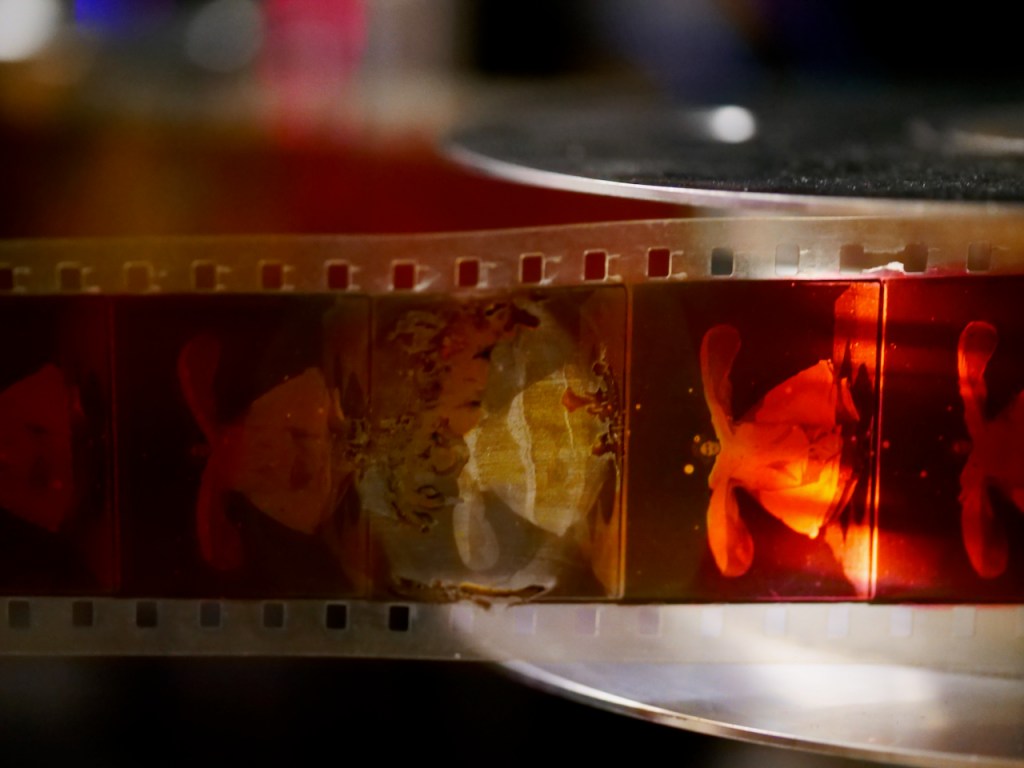
Additionally, Scan2Screen’s scanner is mechanically designed to process even the most fragile, shrunken, and warped footage. It requires no preparation beyond cleaning when desired. On-location scanning eliminates the need for inspection or additional preparation steps typically required for rare and precious films.
Worldwide Operations
The Scan2Screen multispectral workflow can be deployed wherever power and a table are available, allowing for true on-premises digitization. With headquarters in Switzerland and California and a lab in Berlin, Scan2Screen is uniquely positioned to handle the most beautiful and most endangered stocks still in existence worldwide.
 Scan2Screen
Leave a comment